


Do you have swollen, inflamed gums that often bleed? If you experience these symptoms, do not underestimate the issue. Gum inflammation, if left untreated, can lead to more serious damage. The following article outlines the characteristics of this condition and the measures to overcome it.
Symptoms of Gum Inflammation
Gum inflammation, more commonly known as gingivitis, is a reversible condition caused by the accumulation of bacterial plaque. One of the main causes is inadequate oral hygiene.
Food particles left between the teeth provide a fertile ground for bacteria to thrive and attack the gums. If not addressed promptly, periodontal pockets can form—spaces between the tooth and gum where bacteria concentrate and multiply.
Other causes may include tartar, cavities, malocclusion, and dental prostheses that irritate the gums.
Symptoms include redness, swelling, sensitivity, and bleeding, either spontaneous or triggered by brushing or flossing.
If left untreated, it can develop into periodontitis, a condition that causes gum recession, destruction of the bone and periodontal tissue, and, over time, tooth loss.
How to Treat Gum Inflammation Treatment
involves the removal of bacterial plaque, although the best weapon against it is prevention through thorough and consistent oral hygiene.
It is crucial to brush your teeth several times a day, especially in the evening, use dental floss and mouthwash, and periodically undergo professional teeth cleaning to remove accumulated plaque.
The treatment is not particularly complex, but if the condition progresses to periodontitis, the situation changes: at Freesmile, if the patient has very deep pockets, we usually perform periodontal surgery; otherwise, we prefer to carry out gingival curettage.
Gingivitis is a widespread condition that affects most people; the key is to detect it early to prevent the formation of periodontal pockets and the onset of periodontitis. If you notice red or bleeding gums, it is advisable to have a check-up.
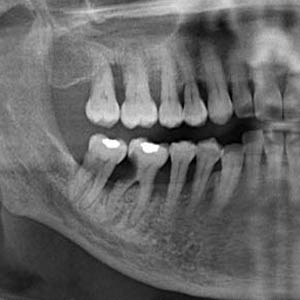
At Freesmile, we offer an initial consultation, including a high-definition digital orthopantomogram, cancer screening, and a specific periodontal examination, during which we measure pocket depth and assess the health of the gums.]