



[vc_row type=”in_container” full_screen_row_position=”middle” column_margin=”default” column_direction=”default” column_direction_tablet=”default” column_direction_phone=”default” scene_position=”center” text_color=”dark” text_align=”left” row_border_radius=”none” row_border_radius_applies=”bg” overflow=”visible” overlay_strength=”0.3″ gradient_direction=”left_to_right” shape_divider_position=”bottom” bg_image_animation=”none”][vc_column column_padding=”no-extra-padding” column_padding_tablet=”inherit” column_padding_phone=”inherit” column_padding_position=”all” column_element_direction_desktop=”default” column_element_spacing=”default” desktop_text_alignment=”default” tablet_text_alignment=”default” phone_text_alignment=”default” background_color_opacity=”1″ background_hover_color_opacity=”1″ column_backdrop_filter=”none” column_shadow=”none” column_border_radius=”none” column_link_target=”_self” column_position=”default” gradient_direction=”left_to_right” overlay_strength=”0.3″ width=”1/1″ tablet_width_inherit=”default” animation_type=”default” bg_image_animation=”none” border_type=”simple” column_border_width=”none” column_border_style=”solid”][vc_column_text]Do you have damaged teeth that are compromising your ability to chew but don’t want to extract them? Dental crowns might be the perfect solution for you. Read the following article for more information on this topic.
What are Dental Crowns?
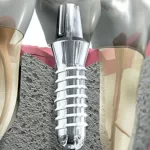
Dental crowns are prosthetic devices that cover damaged, broken, or compromised teeth, reinforcing them to ensure their functionality.
They are applied when a tooth is damaged but does not need to be extracted, thus saving and restoring its function. However, the tooth must be filed down to create space for the crown.
In addition to their primary function of strengthening the tooth, crowns also serve an excellent aesthetic purpose. With modern techniques and materials, crowns can be made to closely resemble natural teeth.
Materials Used for Dental Crowns
It is important to note that dental crowns are made up of two layers: an inner layer of metal alloy and an outer layer, usually made of ceramic.
At Freesmile, we use ceramic-zirconium to create our dental crowns: zirconium for the inner layer and ceramic for the outer layer.
Zirconium has highly desirable qualities for dental crowns. Firstly, it is extremely strong and durable. Additionally, it is a translucent material, giving it an appearance very similar to natural teeth.
Another valuable feature of zirconium is its excellent biocompatibility, making it one of the most suitable materials used in dental crown construction.
How Dental Crowns Are Applied
At Freesmile, the application process takes place over two sessions. In the first session, the dentist prepares the tooth by shaping it to fit the crown. A portion of the enamel is removed to create space for the crown.
Next, an impression is taken for the crown, which is crafted in a lab by a specialized technician. A temporary crown is applied in the meantime. In a second session, the permanent crown is fitted and cemented using a special adhesive material.[/vc_column_text][/vc_column][/vc_row]