


Periodontitis can cause tooth mobility and tooth loss. A correct diagnosis helps understand which therapies may be indicated and which follow-up controls are necessary over time.
How periodontitis develops: the causes
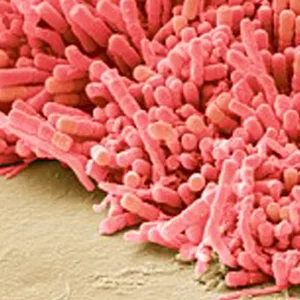
Periodontitis, commonly known as pyorrhoea, is a disease that occurs when bacterial plaque settles in the sulcus between the tooth and the gum. This encourages the formation of a periodontal pocket, which is a space where bacteria accumulate.
In this situation, normal brushing is no longer enough to reach the bacteria. Therefore, dental professionals use a series of techniques that we will describe later.
Why is it called periodontitis?
The condition takes its name from the periodontium, which it affects. The periodontium is the supporting structure of the tooth, consisting of the bone, the periodontal ligament around the tooth root, and the gum.
Periodontitis and Gingivitis
Gingivitis usually appears before periodontitis develops. This condition causes red and bleeding gums, without the presence of periodontal pockets. It is a reversible disease that requires immediate treatment to prevent it from turning into periodontitis. Curing it involves removing the bacterial plaque. However, the best medicine is definitely prevention through thorough and consistent oral hygiene.
Symptoms and causes of periodontitis
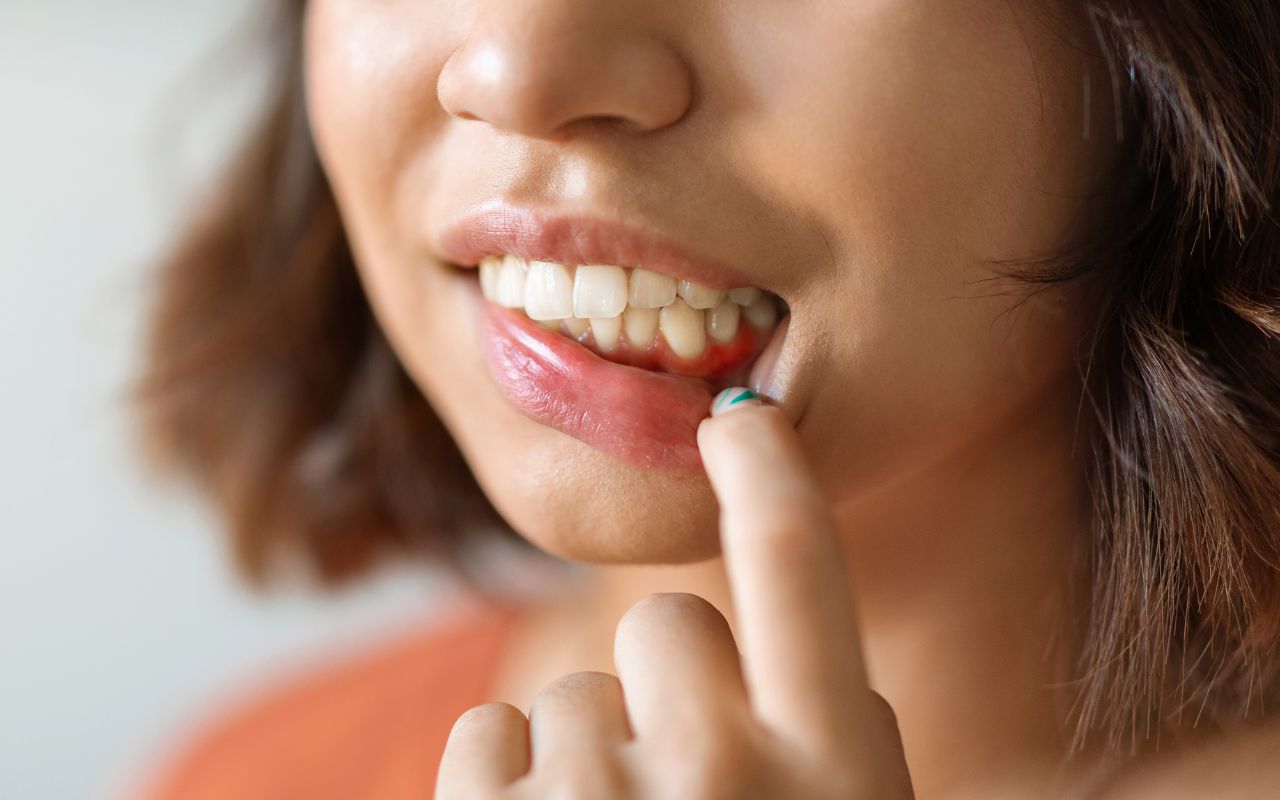
In its early stages, the disease causes inflammation and bleeding of the gums. As it advances, it destroys the bone and ligament, causing the gums to recede and making the teeth look longer. In the most severe phase, teeth become increasingly unstable and can fall out naturally. This makes treating the condition absolutely vital.
The primary cause of periodontitis is poor oral hygiene. If you do not use your toothbrush correctly, or only brush once or twice a day, plaque starts to build up near the gumline. Furthermore, if you do not remove this plaque immediately, it mineralises and turns into tartar. At this point, periodontal pockets begin to form. Watching a video on how to brush your teeth correctly can help you prevent periodontitis. Regardless, attending regular professional hygiene appointments is crucial to remove all the plaque you cannot reach with your usual oral care routine at home.
While poor oral hygiene is the main cause of periodontitis, some people are particularly prone to this disease for various reasons. These include hereditary and hormonal factors, as well as certain medical conditions like diabetes. These patients must pay special attention to their oral hygiene.
Techniques to treat periodontitis
Treating periodontitis is completely possible. To remove the bacterial plaque that gathers in periodontal pockets, normal brushing and professional teeth cleaning are not enough. Instead, dental experts must use specific techniques.
If the pockets are very deep and exceed 5 mm, a periodontal procedure is necessary. This surgical treatment removes bacteria from the bottom of the pockets.
The dentist makes a small incision in the gum to reach the tooth root surface and the deepest part of the pocket where bacteria hide. They clean the infected area and remove the bacteria. Finally, they close the wound with stitches.
This technique eliminates the pockets and restores stability to the teeth, even if they were loose and seemed likely to fall out. This allows us to cure periodontitis permanently.
Gingival curettage
If the pockets are smaller than 5 mm, the most suitable treatment for periodontitis is gingival curettage. This involves removing the soft tissues from the periodontal pocket.
Using a special instrument called a curette, the dentist scrapes the gum wall to remove the soft tissues of the periodontal pocket. They also clean any exposed tooth root.
Diagnosing periodontitis
It is very important to know if you have periodontitis so you can address and treat it appropriately, avoiding tooth loss.
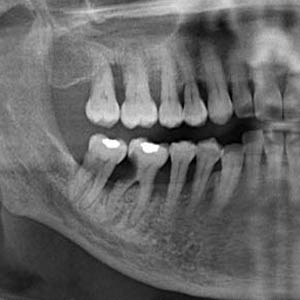
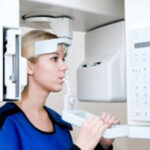
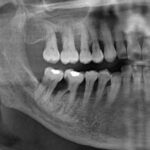
At Freesmile, we check for this disease by taking a digital panoramic radiograph and performing a specific exam to measure pocket depth using a periodontal probe. With our treatments, we can eliminate the disease permanently.
After the treatment, we advise our patients to attend regular check-ups to prevent the periodontitis from returning. We also remind them to pay close attention to their oral hygiene, which is the best medicine for prevention.