


- This is the 1st item
- This is the 2nd item
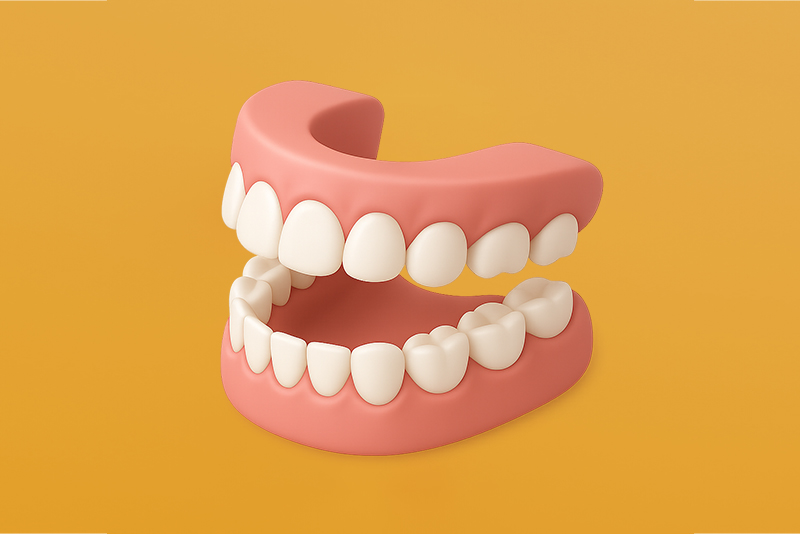
Gingivas and periodontal disease
What is it?
Defining gum periodontitis
Gum periodontitis: Periodontitis is a complex medical condition characterized by inflammation and damage to the supporting tissues of the teeth, collectively known as the periodontium. These tissues include not only the gums, but also the alveolar bone and periodontal ligament, which are essential for maintaining tooth stability and health.
Periodontitis can be considered the advanced stage of a previous condition known as gingivitis, an inflammation of the gums often caused by poor oral hygiene.
However, while gingivitis is limited to superficial inflammation, periodontitis extends deeper, involving the bone and the structures that support the teeth (periodontal ligament). This condition can lead to several serious dental problems, including bleeding gums, gum inflammation, the formation of deep periodontal pockets, bone loss around the teeth and, in severe cases, tooth mobility and tooth loss.
Prompt treatment of periodontitis is essential to prevent the progression of the disease and preserve long-term dental health. Proper daily oral hygiene and regular dental check-ups are fundamental to effectively prevent and manage periodontitis.
Symptoms
Gum periodontitis: recognizing its symptoms
Gum periodontitis: This is a complex condition that can appear with a wide range of symptoms, which may vary significantly in severity and presentation. These symptoms often indicate the progression and seriousness of the disease.
Most common symptoms:
- Inflamed gums: The gums may appear red, swollen and sensitive to touch. In some cases, they may also feel warm.
- Bleeding gums: The gums may bleed while brushing, flossing or eating hard foods.
- Gum recession: The gums may recede, exposing the roots of the teeth. This can cause tooth sensitivity and increase the risk of root cavities.
- Bad smell or taste in the mouth: Inflammation and bacterial buildup inside periodontal pockets can cause bad breath or an unpleasant taste in the mouth.
- Formation of deep periodontal pockets: Periodontal pockets may form when the gums detach from the teeth, creating deep spaces where bacteria can accumulate and damage surrounding tissues.
- Bone loss around the teeth: The progression of periodontitis can lead to the loss of alveolar bone around the teeth, compromising their stability and increasing the risk of tooth loss.
The severity of symptoms can vary greatly from person to person and may be influenced by several factors, including general health, lifestyle, genetic predisposition and individual response to infection.
For example, people with weakened immune systems or pre-existing medical conditions may experience more severe symptoms than those in good general health. Lifestyle factors, including diet, oral hygiene and smoking, can also influence the severity and progression of periodontitis.
It is essential to consult a dentist if periodontitis is suspected. Only a dental professional can provide an accurate evaluation and recommend appropriate treatment.
Early treatment is essential to prevent disease progression and preserve gum and tooth health in the long term. Ignoring symptoms or delaying proper care could lead to more serious complications, such as tooth loss or permanent damage to gum and bone tissues.
Remember that periodontitis is a treatable and manageable condition, especially when diagnosed and treated early. With proper treatment and good oral hygiene, it is possible to stop the progression of the disease and maintain healthy gums and teeth over time.
Regular dental check-ups and following your dentist’s recommendations are therefore strongly advised to ensure proper management of periodontitis and maintain a healthy mouth.
Causes
What causes gum periodontitis?
Gum periodontitis is mainly caused by the body’s inflammatory response to a chronic bacterial infection in the mouth.
This infection is often the result of poor oral hygiene, which leads to the accumulation of bacterial plaque along the gum line and beneath the gums.
Plaque is a translucent film of bacteria that constantly forms on teeth. If it is not regularly removed through dental cleaning, it can harden and turn into tartar, which is more difficult to remove and can further irritate the gums.
Inflammation: the main cause of periodontitis
Inflammation caused by the presence of plaque and tartar damages the gum and bone tissues that support the teeth.
The gums may become swollen, red and bleed easily, typical symptoms of gingivitis, which is the early stage of periodontal disease.
If left untreated, gingivitis can progress into periodontitis, causing more severe damage to gum and bone tissues.
In addition to poor oral hygiene, other factors can increase the risk of developing periodontitis, including:
- Smoking: Tobacco smoking is a major risk factor for periodontitis, as it weakens the immune system and reduces the body’s ability to fight bacterial infections.
- Genetic predisposition: Some people may be genetically more likely to develop gum diseases, including periodontitis.
- Systemic diseases: Medical conditions such as diabetes and cardiovascular diseases can increase the risk of periodontitis.
- Hormonal changes: Hormonal fluctuations during puberty, pregnancy and menopause can make gums more sensitive to inflammation and infection.
- Stress: Stress can weaken the immune system and increase the risk of gum diseases, including periodontitis.
Proper oral hygiene, including regular brushing, flossing and routine dental visits for professional cleaning, can help prevent periodontitis and maintain healthy gums and teeth.
Treatment
Treatment and therapy options
The treatment of gum periodontitis depends on the severity of the condition and the presence of any complications.
In general, periodontitis treatment may include a combination of non-surgical and surgical therapies, with the aim of stopping disease progression, restoring gum and bone health and preventing tooth loss. Treatment options include:
Non-surgical therapy:
Professional dental cleaning:
This procedure, commonly known as scaling and root planing, involves removing plaque and tartar above and below the gum line, as well as smoothing the tooth roots to eliminate rough surfaces where bacteria can accumulate.
Antibiotic therapy:
In some cases, the dentist or hygienist may prescribe antibiotics to help control infection and reduce inflammation.
Surgical therapy:
Periodontal surgery:
In more severe cases of periodontitis, surgery may be required to repair or reconstruct damaged tissues.
This may include procedures such as periodontal pocket surgery to remove bacteria and regenerate bone and gum tissue, or gum grafting to cover exposed roots.
Teeth realignment:
In some cases, the dentist may recommend teeth realignment to improve cleaning access and reduce plaque and tartar buildup.
Oral hygiene and home care:
Oral hygiene instructions:
The dentist or hygienist will provide detailed instructions on proper oral care, including correct brushing techniques, flossing and other interdental cleaning tools.
Follow-up visits:
Regular follow-up visits with the dentist are important to evaluate treatment progress and ensure the disease remains under control.
Periodontitis treatment requires close cooperation between the patient and the dentist or dental hygienist.
Carefully following professional advice and maintaining proper oral hygiene at home are essential for successful treatment and long-term gum and tooth health.
The Patient Experience at the Center of the Path
Every patient comes with a different story.
Some have pain. Some have lost trust. Some have received Treatment Plans that are difficult to understand. Others want a Second Opinion before deciding.
At FreeSmile, we try to make each path clearer, more ordered and more reassuring. Patient stories show not only the final result, but also how people were listened to, informed and guided.
Every path is individual.
The objective remains the same: to help the patient regain Health, Function and Confidence through a healthy, natural smile.
4.9 — Average Patient Rating
Watch the Stories of Patients Who Regained Confidence in Their Smile


Contact us and prepare your assessment. Together, we can evaluate which implant solution may be appropriate for your situation.