


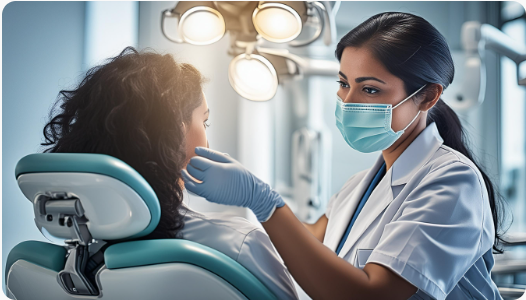
What is Preventive Dentistry?
Preventive dentistry focuses on proactive measures to maintain optimal oral health and prevent dental issues such as gum disease and cavities. It includes regular check-ups, treatments, and daily care routines aimed at minimizing the risk of developing oral problems before they become problematic.
The Components
It encompasses a range of essential practices to maintain the health of teeth and gums. Basic oral hygiene practices, such as brushing twice a day with fluoride toothpaste and daily flossing, are fundamental. These practices help remove plaque and prevent tartar buildup, thereby reducing the risk of cavities and gum disease.
Regular Dental Visits
Regular dental visits are generally recommended every six months. During these visits, the dentist performs professional cleanings to remove tartar that cannot be eliminated with regular brushing. Additionally, the dentist can identify any dental problems, such as cavities or gum disease, early on and treat them before they become more serious.
Diagnostic Exams
Diagnostic exams, such as X-rays, are another key component. These exams allow for the detection of problems not visible to the naked eye, such as cavities between teeth, root issues, or abnormalities in the jawbone. Early diagnosis of these problems enables timely and less invasive treatment.
Education and Counseling
A fundamental aspect of preventive dentistry is patient education. Dentists provide advice on how to maintain good oral hygiene at home, including proper brushing and flossing techniques, dietary recommendations for healthy teeth, and the importance of avoiding harmful habits like smoking. Education and counseling help patients understand the importance of prevention and adhere to daily oral care recommendations.
Who Benefits from Preventive Dentistry?
Preventive dentistry benefits people of all ages, from children to seniors. For children, it is crucial for ensuring proper tooth development and preventing future dental issues. Adults benefit from preventive dentistry by maintaining the health of their teeth and gums, thereby avoiding costly corrective treatments. Seniors, particularly those with compromised immune systems, benefit from consistent attention to oral health to prevent additional medical complications.
The Importance
By adopting preventive dentistry, individuals not only protect their oral health but also reduce the risk of associated health problems such as cardiovascular disease and diabetes. Preventing oral diseases has a positive impact on overall health, as oral health is closely linked to bodily health. Additionally, preventive dentistry can save time and money by avoiding the need for extensive and costly dental treatments in the future.
Advanced Preventive Dentistry Strategies
Modern technologies have led to the development of new strategies for preventive dentistry. For instance, the use of dental sealants to protect the chewing surfaces of back teeth, where cavities are most common, is an effective practice. Furthermore, the application of professional fluoride treatments can strengthen tooth enamel and prevent cavities.
Preventive dentistry is an essential aspect of modern dental care, aimed at maintaining oral health and preventing dental issues before they become severe. Through a combination of good oral hygiene practices, regular dental visits, diagnostic exams, and patient education, preventive dentistry offers significant benefits for oral and overall health. Adopting a preventive approach to dental care can enhance quality of life, prevent medical complications, and reduce long-term costs.
External Link
– Mayo Clinic – Dental Health
– American Dental Association – Preventive Dentistry
– World Health Organization – Oral Health
– National Institute of Dental and Craniofacial Research – Oral Health